
Don't Lose Everything: A Beginner's Guide to Backing Up Your Windows PC
Backing up your Windows PC takes surprisingly little effort once you know how, and the peace of mind it gives you is genuinely priceless. Here's exactly what to do.
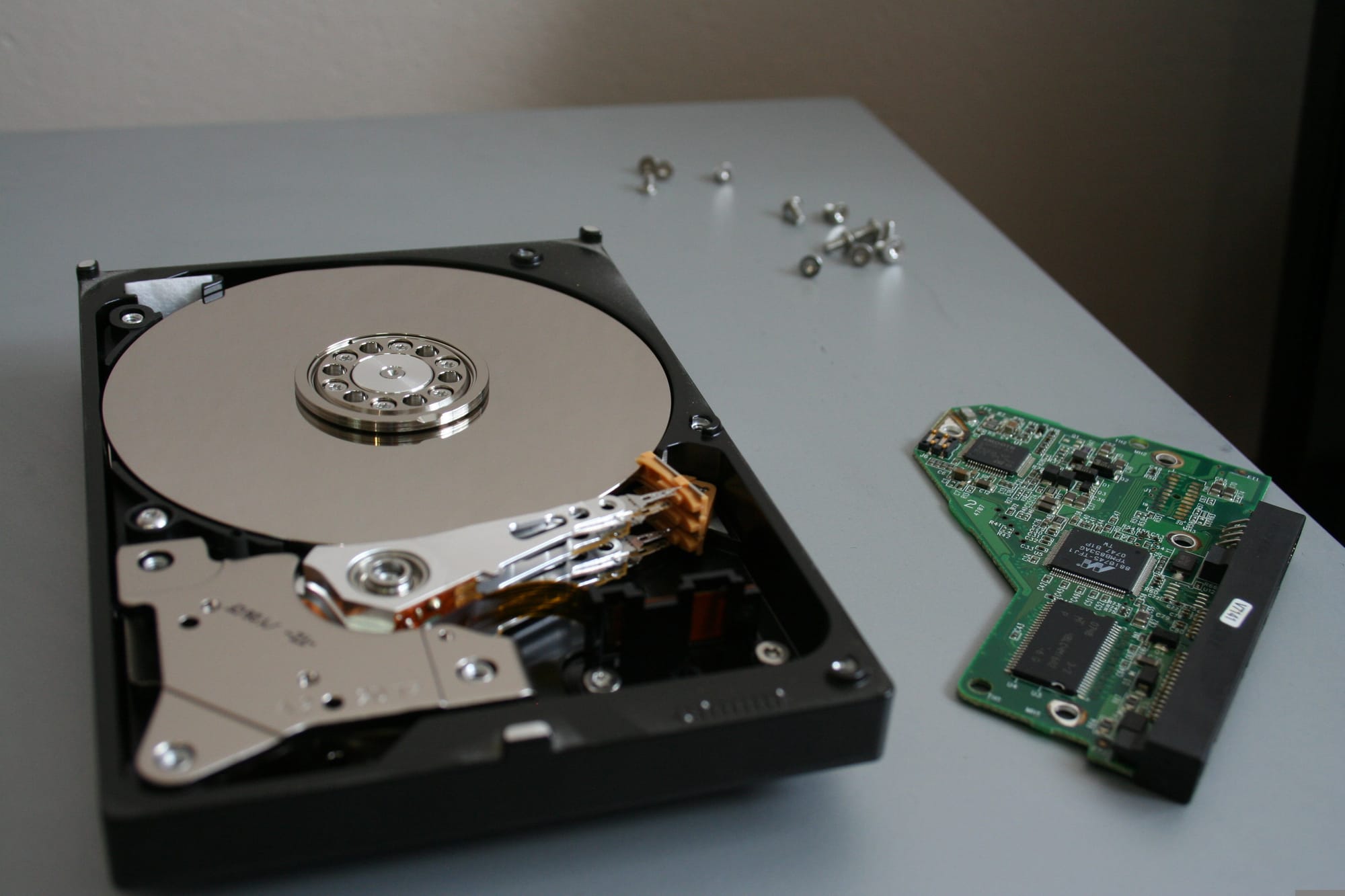
Picture this: your laptop gets knocked off the desk, your hard drive fails after years of quiet service, or ransomware locks every file you own. Everything gone. Your documents, your photos, your work files. All of it.
It sounds like a nightmare, but here's the good news: it's almost entirely avoidable. Backing up your Windows PC takes surprisingly little effort once you know how, and the peace of mind it gives you is genuinely priceless. Let's walk through exactly what to do.
On a Mac instead? Head over to our Mac backup guide for step-by-step instructions using Time Machine.
Why Backing Up Your PC Actually Matters
Most people don't think about backups until something goes wrong. By then, it's too late. Here are the real reasons you should make this a habit:
- Hard drives fail without warning. Even a relatively new PC can suffer a sudden drive failure. When that happens, there's often no second chance to get your files back.
- Accidents happen. Drops, spills, and theft are more common than you'd think. Repairs can sometimes recover data, but it's expensive and far from guaranteed.
- Ransomware is a real and growing threat. Malicious software can encrypt or delete every file on your PC. A clean, recent backup means you can wipe the machine and restore everything without paying a penny.
- Windows updates can occasionally go wrong. Major updates are usually smooth, but not always. A backup before a big update is just sensible practice.
The bottom line: your data is worth protecting, and backups are the cheapest insurance policy you'll ever take out.
The 3-2-1 Backup Strategy: A Simple Rule to Live By
Security and IT professionals swear by a principle called the 3-2-1 strategy. It sounds technical, but it's actually very easy to understand:
- 3 copies of your data (the original plus 2 backups)
- 2 different storage types (e.g., an external hard drive and a cloud service)
- 1 copy stored offsite (e.g., cloud storage or a drive kept at a different location)
Why does this matter? Because a single backup can fail too. If your PC and your external hard drive are sitting next to each other and there's a fire or a flood, both are gone at once. The 3-2-1 rule makes sure you're covered against multiple failure scenarios at the same time.
For most Windows users, this looks like: File History on an external drive plus a cloud storage service for offsite backup. That covers all three bases without much extra effort. Any cloud service works here, including OneDrive, Google Drive, or iCloud. We recommend Nextcloud for users who want their data to stay private and under their control.
How to Back Up Your PC: Step by Step
Option 1: File History (Built-In and Easy)
File History is Windows' built-in backup tool, and it's a great starting point for beginners. Once set up, it runs automatically in the background and keeps regular copies of your files as they change over time.
What you'll need: An external hard drive or SSD (aim for at least twice the storage capacity of your PC).
- Plug your external drive into your PC.
- Open Settings and go to Update & Security (Windows 10) or System (Windows 11).
- Select Backup from the left-hand menu.
- Click Add a drive and select your external drive.
- Turn on Automatically back up my files.
That's it. File History will now keep copies of your files in your Documents, Pictures, Music, Videos, and Desktop folders automatically. If you ever lose a file or need an older version, you can browse and restore it directly from File History.
Keep your external drive plugged in as often as possible, ideally whenever you're at your desk, so File History can do its job regularly. The more often it runs, the less you stand to lose.
Option 2: Cloud Storage (Your Offsite Copy)
For the offsite part of your backup, any cloud storage service will do the job. Options like OneDrive, Google Drive, and Dropbox are all perfectly capable of keeping a copy of your important files safely off-site, and you may already have one of these included with a subscription you're paying for.
That said, our recommendation is Nextcloud. It's a private, self-hosted cloud storage platform that keeps your data on infrastructure you or your IT provider controls, rather than on Microsoft's or Google's servers. You still get all the convenience of automatic sync and access from any device or browser, but with genuine privacy and security built in.
We handle the Nextcloud hosting and setup for our clients, so there's nothing technical to worry about. Read our full guide to Nextcloud to find out why we think it's the best cloud option for most users, or get in touch and we'll walk you through it.
Putting It All Together: Your 3-2-1 Setup
Here's a simple setup that ticks all three boxes:
With this in place, you're protected against hardware failure, accidental deletion, theft, and even natural disasters.
A Few Extra Tips to Keep Your Backups Healthy
- Test your backups occasionally. Open File History and try restoring a random file to make sure it's working. A backup you've never tested is a backup you can't fully trust.
- Label your drives. If you have multiple external drives, label them clearly so you always know which is your backup drive.
- Set a reminder. If you're not using automatic backups, set a monthly calendar reminder to do it manually.
- Don't ignore low-storage warnings. If your backup drive is nearly full, your backups will stop working properly.
Start Today — It Only Takes 10 Minutes
If you've been putting off setting up backups, today is a great day to start. All you need is an external drive and 10 minutes to get File History running. Add Nextcloud on top, and you've instantly got a solid 3-2-1 setup that will protect you from the unexpected.
Your future self will thank you.
Have questions about setting up your PC backup, or not sure which external drive to buy? Get in touch with the Tranquil IT team — we're happy to help.
Email us at support@tranquilit.net or give us a call on 01279 658331.